
The surprising connection between neck tension, headaches, breathing, and your nervous system.
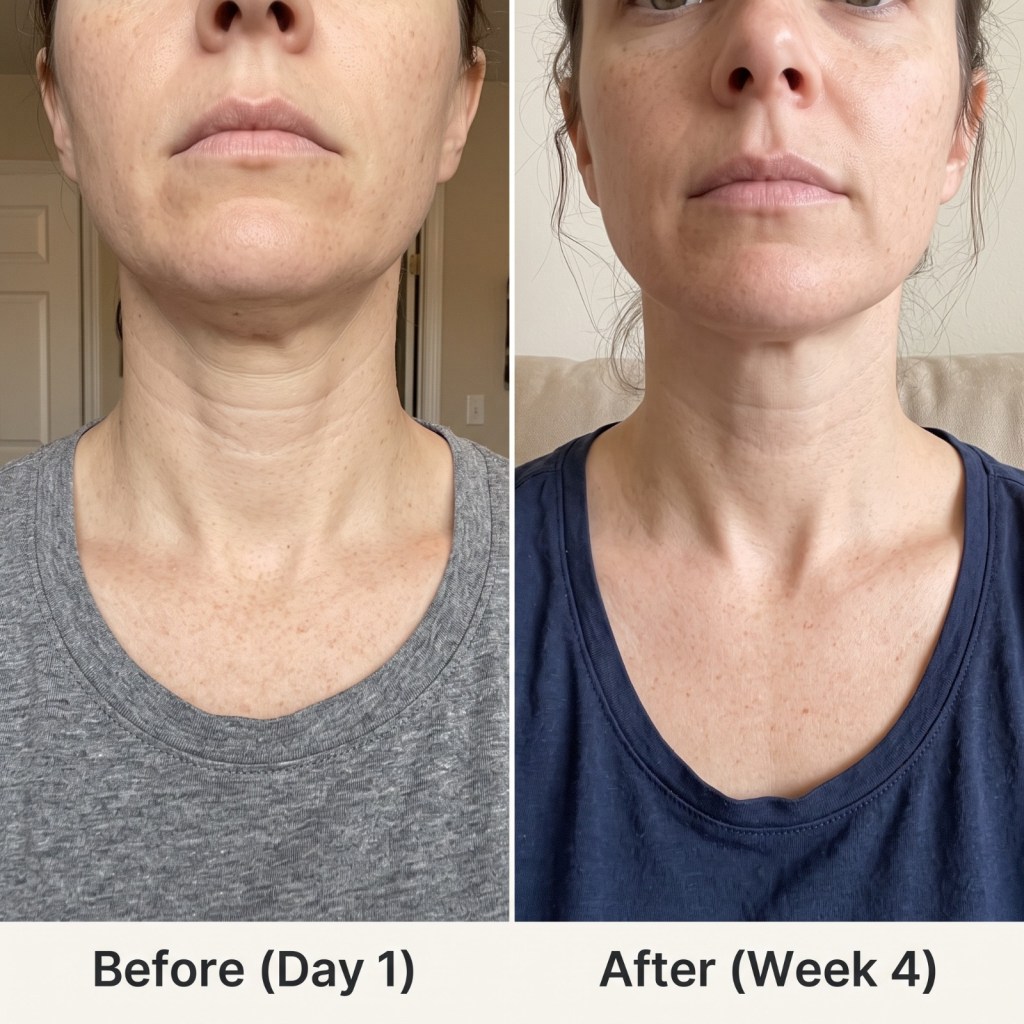
Just after 4 weeks of consistent neck exercises, proper breathing and using the VeraLift neck sculptor!
Have you ever felt like something was wrong with your body, but couldn’t quite explain what it was?
Maybe you’ve been experiencing persistent headaches, dizziness, anxiety, brain fog, or a strange feeling of tension that never seems to go away. You’ve spoken to medical professionals, had tests done, and perhaps even been told that everything looks normal. Yet you still don’t feel like yourself.
It’s frustrating, especially when you’re trying to understand symptoms that don’t seem to have an obvious explanation.
For some people, the answer may involve something they’ve overlooked for years: their neck.
Could Your Neck Be Contributing to Your Symptoms?
Most of us associate tech neck with poor posture, neck wrinkles, or the discomfort that comes from looking down at our phones for too long.
But the effects of prolonged forward head posture can go beyond appearance.
When your head is constantly tilted forward, the muscles surrounding your neck and shoulders have to work harder to support it. Over time, this can contribute to stiffness, muscle fatigue, tension headaches, and upper back discomfort.
What’s interesting is that these problems don’t always feel like they’re coming from your neck.
You might notice headaches becoming more frequent, difficulty concentrating because of discomfort, or a persistent tightness around your shoulders. Some people also experience dizziness associated with certain neck conditions, although dizziness can have many other causes and shouldn’t automatically be attributed to posture.
When you’re dealing with several symptoms at once, it’s easy to assume they’re unrelated.
And sometimes they are. But sometimes addressing one contributing factor, such as chronic neck tension, can make a meaningful difference.
The Connection Between Your Neck, Breathing, and Nervous System
One of the most overlooked aspects of chronic tension is how closely our breathing patterns and nervous system interact.
Think about what happens when you’re stressed. Your shoulders rise, your jaw tightens, and your breathing often becomes faster and shallower. For some people, this becomes such a familiar physical state that they barely notice it anymore. Instead of breathing comfortably using the diaphragm, they rely more heavily on the muscles around their chest and neck. Over time, this can add to existing muscular tension.
Your diaphragm is the main muscle responsible for breathing. Learning to breathe more slowly and comfortably, allowing your abdomen and lower ribs to expand, can help reduce stress and unnecessary tension in your upper body.
Then there’s the vagus nerve.
The vagus nerve travels from the brainstem through the neck and into the chest and abdomen. It plays an important role in regulating automatic bodily functions, including heart rate, digestion, and aspects of the body’s relaxation response.
Although it’s tempting to assume that a tight neck means your vagus nerve is physically restricted, that connection hasn’t been established as a general explanation for symptoms such as dizziness, anxiety, or brain fog.
What we do know is that breathing, stress, muscle tension, and nervous system activity influence one another. And understanding those relationships can be an important starting point.
What If You’ve Been Blaming Everything on Hormones?
For women approaching perimenopause, the situation can become even more confusing. Hormonal changes can affect sleep, mood, concentration, and physical comfort. Symptoms such as anxiety, dizziness, and brain fog may appear during this stage of life, sometimes alongside existing neck pain or chronic tension. It’s understandable to wonder whether everything you’re experiencing is hormonal.
But not every unexplained symptom should be attributed to perimenopause. You can be experiencing hormonal changes while also dealing with posture related discomfort, stress, or another medical condition.
The goal isn’t to find one explanation for absolutely everything. It’s to understand what may be contributing to how you feel.
Small Changes That May Help You Feel Better
So how do you fix tech neck? The encouraging part is that neck tension and posture related discomfort can often improve with consistent, manageable changes.
You don’t necessarily need an elaborate wellness routine. Sometimes the most helpful place to begin is by paying attention to the habits your body has developed over time.
1. Start with gentle neck exercises
Simple neck movements, chin tucks, and shoulder mobility exercises can help improve comfort and strength when performed correctly.
The key is consistency rather than forcing your neck into uncomfortable positions. A physical therapist can help you identify which movements are appropriate for your symptoms.
2. Practice diaphragmatic breathing
Spend a few minutes each day breathing gently through your nose, allowing your lower ribs and abdomen to expand naturally. Think of it as a balloon expanding, you want your belly to rise and inflate on all sides (including your back) when you breathe.
Try to relax your shoulders instead of lifting them with every breath. Slow, comfortable breathing may help calm feelings of stress while reducing unnecessary reliance on your neck muscles.
3. Pay attention to your everyday posture
Notice how often you look down at your phone, hunch over your laptop, or sit with your head leaning forward.
Bringing your screen closer to eye level and taking regular movement breaks can reduce the amount of time your neck spends in one position. Even small changes to your workstation can make a difference.
4. Explore gentle relaxation exercises
Some people find that slow breathing, humming, mindfulness, and gentle movement help them feel calmer.
These are sometimes described online as vagus nerve exercises. While they may support relaxation, they shouldn’t be considered a treatment for a supposedly trapped or compressed vagus nerve.
5. Don’t overlook persistent symptoms
If you’re experiencing ongoing dizziness, vertigo, headaches, or unexplained neurological symptoms, it’s important to seek medical assessment rather than assuming they’re caused by tech neck.
And if you’ve already been evaluated but still don’t feel well, it’s reasonable to ask follow up questions or seek another medical opinion. You deserve to have your concerns taken seriously.
What About the Visible Signs of Tech Neck?
Of course, there’s another side to tech neck that many of us notice long before we start thinking about our posture.
The appearance of our neck. Your neck can show your age before your face does.
Horizontal neck lines, creases, and changes in skin firmness can become more noticeable over time. Looking down frequently can accentuate existing folds, although natural aging, genetics, and skin changes also play a role.
While posture exercises and breathing techniques focus on physical comfort, you might also want to give the skin on your neck a little extra attention. That’s where a dedicated neck care ritual can fit into your routine.
A Little Extra Care for Your Neck
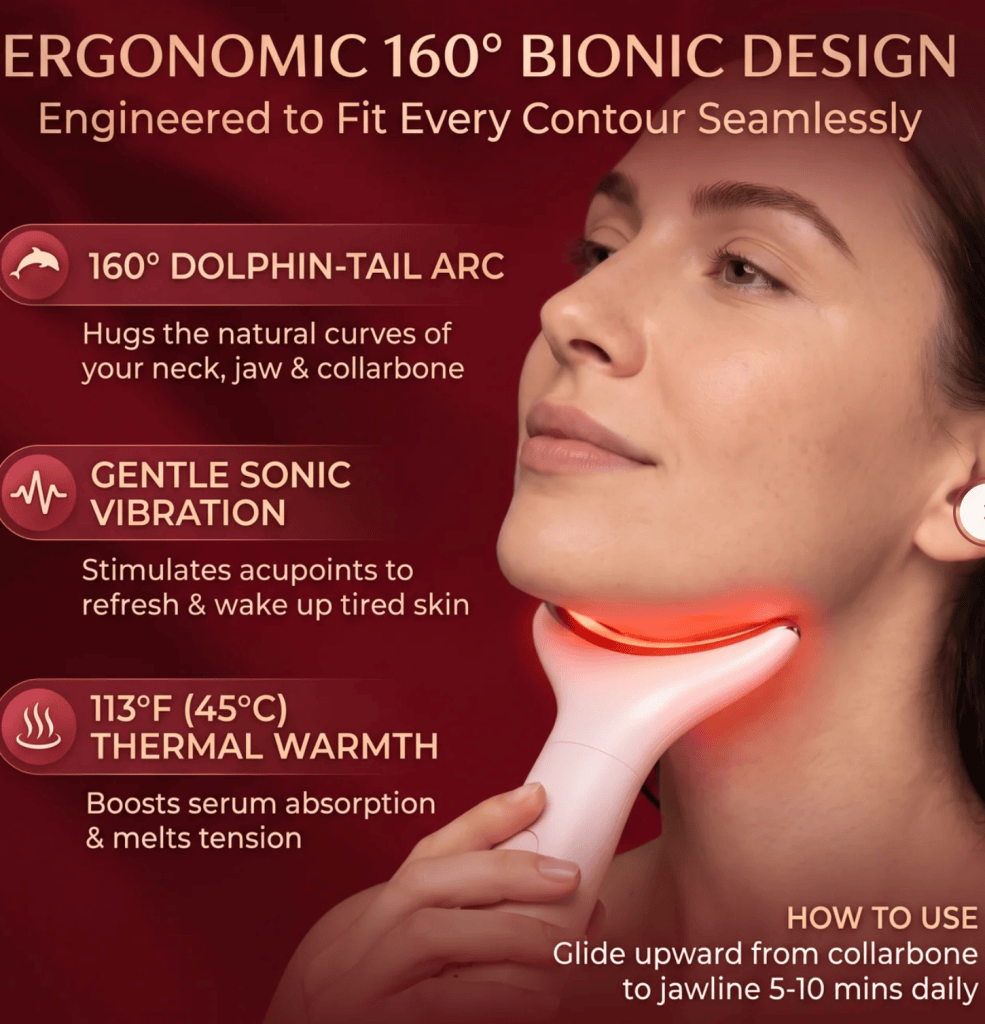
I’ve been using the VeraLift™ LED Neck Sculptor and found it quite helpful! It is designed to bring a beauty focused neck care ritual into your everyday routine.
It’s an option for anyone looking to pay more attention to the appearance of their neck while building a consistent self care habit.
LED skincare technology is being studied for its potential cosmetic benefits, although results depend on the device, wavelengths, and treatment protocol. VeraLift shouldn’t be viewed as a treatment for neck pain, vagus nerve problems, dizziness, or other medical conditions.
I like it because it’s a separate part of my self care routine: gentle movement and healthy habits for physical comfort, and skincare for the visible appearance of your neck.
Discover VeraLift™ LED Neck Sculptor → https://www.tryveralift.com/pages/the-2026-neck-lift-alternative
Your Body Can Improve, Even If Progress Takes Time
When you’ve been uncomfortable for months or even years, it’s easy to feel discouraged. You may have tried different treatments, changed your routine, or spent countless hours searching for answers.
But the fact that you haven’t found a complete explanation yet doesn’t mean improvement is impossible. Sometimes progress comes from identifying a problem that has been overlooked. Other times, it involves addressing several smaller factors together.
Your neck, breathing habits, stress levels, hormones, and overall health all deserve attention, but they don’t necessarily share one underlying cause. Start with what you can change, stay curious about what your body is telling you, and don’t be afraid to keep asking questions when something doesn’t feel right.
You may not be able to fix everything overnight, but feeling better is still possible.
If you found this post helpful, let us know! We’d love to share more about tech neck, including simple exercises, breathing techniques, and everyday habits that may help relieve tension and improve neck comfort.


Leave a Reply